
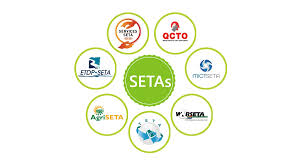
Understand how SETAs work in South Africa. 🇿🇦 Learn about learnerships, stipends, and how to find legitimate training opportunities in 2026.
For many young South Africans, the word “SETA” is synonymous with opportunity. Whether you are a matriculant looking for a way into the workforce or a graduate needing practical experience, the Sector Education and Training Authorities (SETAs) are the primary engines driving skills development across Mzansi. Established under the Skills Development Act of 1998, these 21 industrial bodies bridge the gap between classroom theory and workplace reality.
The core mission of any SETA is to ensure that the skills being taught in colleges and universities actually match the needs of employers. By managing the flow of training within specific sectors—such as banking, manufacturing, or agriculture—SETAs help reduce the national skills shortage while providing a structured pathway for the youth to gain recognized qualifications and work experience.
In 2026, understanding the SETA system is more critical than ever. As industries digitize and the job market becomes more competitive, knowing how to leverage SETA-funded learnerships, internships, and bursaries can be the deciding factor in your career success. This guide breaks down exactly how these organizations function and how you can benefit from them.
📊 Quick Facts
- Definition: Sector Education and Training Authority (SETA)
- Governing Body: Department of Higher Education and Training (DHET)
- Funding Source: Skills Development Levy (SDL) paid by employers
- Core Offerings: Learnerships, Internships, Apprenticeships, and Bursaries
- Key Benefit: Nationally recognized NQF qualifications and monthly stipends
🚀 Student Rise Expert Insight
- NQF Validation: Every SETA-accredited learnership leads to a qualification registered on the National Qualifications Framework (NQF). This means your certificate has legal weight and is recognized by every major employer in South Africa.
- The “No-Pay” Rule: A critical piece of advice for every applicant—legitimate SETA opportunities are free. Because they are funded by the 1% payroll tax from employers, any platform asking for an “application fee” or “placement fee” is a scam.
- Stipend Security: SETAs mandate that learners receive a monthly allowance. While the amount varies by sector and NQF level, this stipend is designed to cover your basic costs (like transport and food) while you learn.
- Workplace Readiness: Unlike a traditional degree, SETA programs focus on “competency-based” learning. You aren’t just tested on what you know, but on what you can do in a real work environment.
🛠 SETA Programme Breakdown
Types of Opportunities
- Learnerships: A 12-to-24 month program combining classroom study with on-the-job training. Ends in a full NQF qualification.
- Internships: Geared toward graduates who have a degree or diploma but lack the work experience to get hired.
- Apprenticeships: Focuses on “Blue Collar” trades like plumbing, electrical work, and welding. Leads to a Trade Test and Red Seal certification.
- Skills Programmes: Shorter courses (usually a few weeks or months) focused on specific job-related skills rather than a full degree.
Minimum Requirements (General)
- Valid South African Identity Document (ID).
- Proof of Education (Matric, N-levels, or Degree).
- Age typically between 18 and 35.
- Must be currently unemployed (for most youth-targeted programs).
💡 [STRATEGY] How to Land a SETA Placement
To stand out, don’t wait for the SETA itself to advertise. Most SETA-funded programs are hosted by private companies. Strategy Tip: Follow the LinkedIn pages of major companies in your field (e.g., follow banks if you want a BANKSETA role). These companies often post their SETA learnership intakes directly on their own “Careers” pages before they appear on general job boards.
📝 How to Find Legitimate Opportunities
- Identify Your Sector: Determine which SETA covers your field (e.g., MICT SETA for IT/Media, CETA for Construction).
- Visit Official Portals: Go directly to the official
.org.zaor.gov.zawebsites of the specific SETA. - Check Government Gazettes: Large-scale SETA funding windows are often published in official government notices.
- Register on ESSA: Ensure you are registered on the Department of Labour’s Employment Services of South Africa (ESSA) database, as SETAs often pull candidates from this list.
Apply Link: View the Full List of All 21 SETA Websites Here
Final Note: Selection for these programs is highly competitive. Always ensure your documents are certified (not older than 3 months) and that your contact details are up to date. Your journey to a professional career starts with understanding the system—use the SETA network to your advantage.